0
Your cart
Your cart is empty.
Please go to Shop Now
Product Price Quantity Subtotal
+94 7601 80926
+44 7428 324324

Ancient City of Polonnaruwa

Exploring Sri Lanka’s Medieval Capital

Polonnaruwa
Polonnaruwa
Polonnaruwa

An Archaeological Treasure

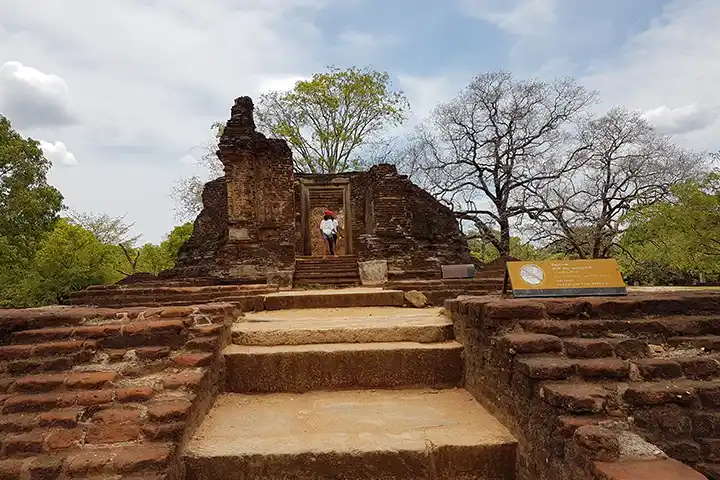
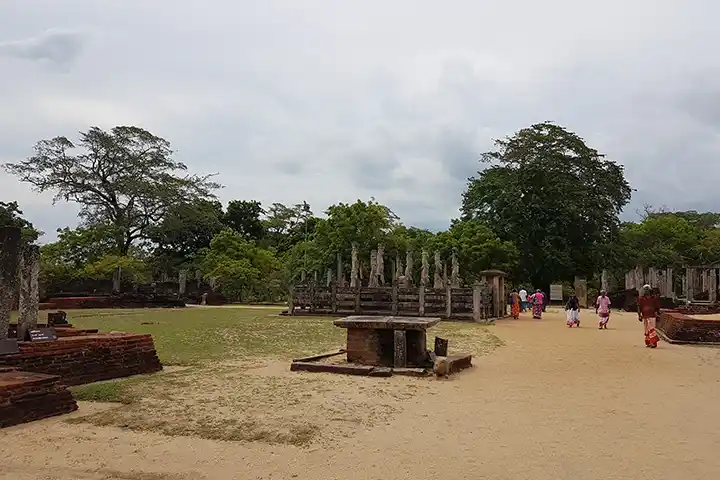
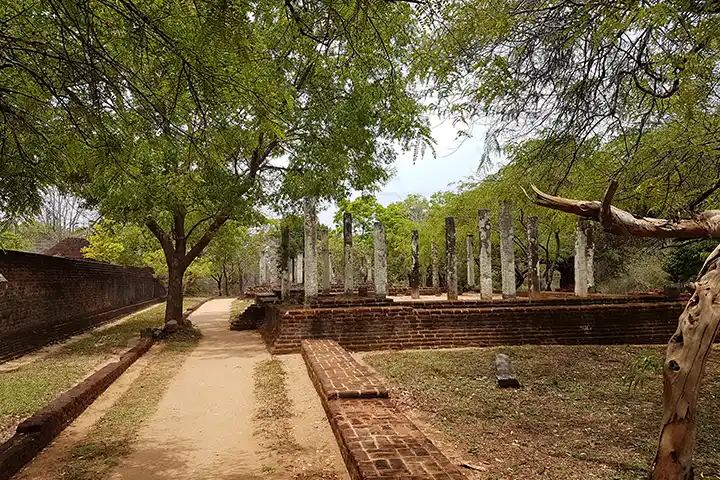
The Ancient City of Polonnaruwa stands as one of Sri Lanka’s most impressive archaeological treasures and a proud reminder of the island’s rich and sophisticated past. Recognised as a UNESCO World Heritage Site, Polonnaruwa was Sri Lanka’s second ancient capital and reached its golden age between the 11th and 13th centuries. Today, it offers visitors a remarkable journey through well-preserved ruins, sacred monuments, and stunning examples of early urban planning.

Located in Sri Lanka’s North Central Province, Polonnaruwa is an essential stop for travellers interested in history, culture, and architecture. Unlike some older ancient cities, Polonnaruwa is admired for its relatively intact structures, making it easier for visitors to imagine life during its royal era.

From Colombo
km
Ideal Visit Duration
3 – 0 hr
Area Covered
0 sq. km
Capital Period
0 + yrs

UNESCO Status: Recognised as a UNESCO World Heritage Site in 1982

Home to 50+ major ruins, including temples, palaces, stupas, and monasteries

The reclining Buddha measures about 14 metres in length

Covers over 2,500 hectares, one of the largest ancient reservoirs in Sri Lanka

A Capital Built for Kings

Polonnaruwa rose to prominence during the reign of King Parakramabahu I, one of Sri Lanka’s greatest monarchs. Under his rule, the city flourished as a political, religious, and economic centre. The king is best remembered for his advanced irrigation systems, famously declaring that “not a drop of rainwater should flow to the sea without being used.”

This vision resulted in massive reservoirs such as Parakrama Samudra, a vast man-made lake that still supports agriculture in the region today. Walking through Polonnaruwa, visitors can witness how carefully planned water management sustained an entire civilisation centuries ago.

Architectural and Religious Highlights

One of the most striking aspects of Polonnaruwa is the diversity of its ruins, which include royal palaces, Buddhist monasteries, shrines, and statues carved from solid rock.

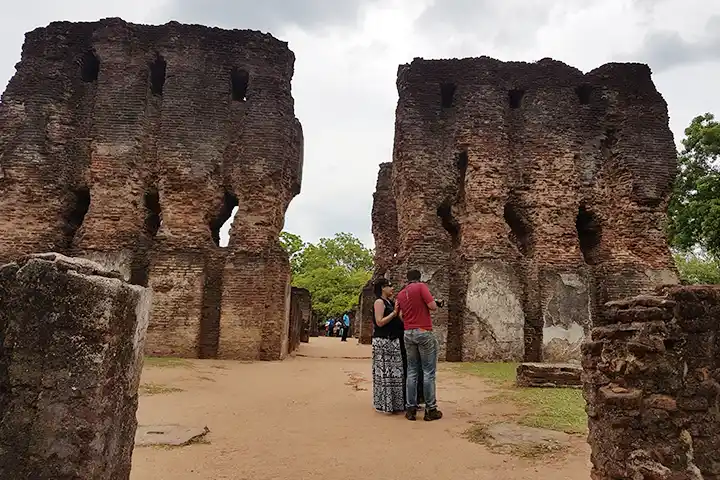
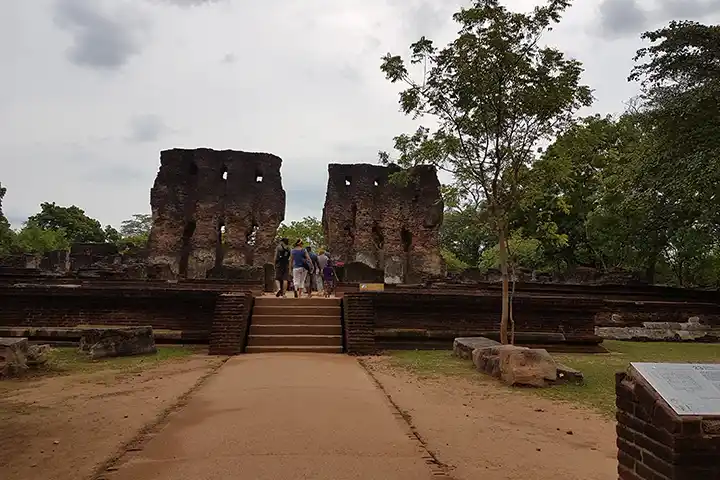
The Royal Palace of King Parakramabahu once stood as a seven-storey structure with hundreds of rooms. Though only the thick brick walls remain today, the scale of the palace still conveys the grandeur of the ancient kingdom.

Nearby, the Gal Vihara is considered the artistic pinnacle of Polonnaruwa. This rock temple features four magnificent Buddha statues carved into a single granite rock face. The reclining Buddha, stretching over 14 metres, is especially admired for its serene expression and flawless proportions.

Other notable sites

Lankatilaka Temple – an imposing brick structure with towering walls
Vatadage – a beautifully designed circular shrine believed to house the Sacred Tooth Relic
Rankoth Vehera – one of the largest stupas in Sri Lanka

A City Best Explored at Leisure

Polonnaruwa’s archaeological area is spread across a large, flat landscape, making it ideal for exploration by bicycle or tuk-tuk. Cycling through the ruins allows visitors to move at a relaxed pace, stopping at monuments shaded by ancient trees and enjoying the peaceful atmosphere that surrounds the city.

Wildlife is also part of the experience. It is common to see monkeys, deer, and a variety of bird species roaming freely among the ruins, adding a natural charm to the historic surroundings.

Polonnaruwa
Polonnaruwa

Cultural and Spiritual Importance

Beyond its architectural beauty, Polonnaruwa remains a deeply spiritual place. Many of its temples are still active sites of worship, and visitors will often encounter pilgrims paying their respects. This living connection between past and present gives Polonnaruwa a unique atmosphere, where history is not just observed but felt.

Visitors are encouraged to dress modestly, remove footwear at religious sites, and behave respectfully when exploring sacred areas.

Best Time to Visit Polonnaruwa

The ideal time to visit Polonnaruwa is during the dry season, from May to September, when skies are clear and walking conditions are more comfortable. Early mornings and late afternoons are especially pleasant, offering softer light for photography and cooler temperatures.

Why Polonnaruwa Should Be on Your Sri Lanka Itinerary

Polonnaruwa is more than a collection of ruins—it is a window into Sri Lanka’s medieval brilliance. Its advanced engineering, refined art, and spiritual depth make it one of the most rewarding cultural destinations on the island. Whether you are a history enthusiast, a cultural explorer, or a curious traveller, Polonnaruwa offers an experience that is both educational and deeply inspiring.

At Satkinn Holidays, we help travellers include iconic heritage sites like Polonnaruwa within well-planned itineraries, combining cultural discovery with comfortable stays and seamless travel across Sri Lanka.

You might be interested in ...

Yala National Park

Yala National Park: Sri Lanka’s Premier Wildlife Sanctuary Safari Adventures and Wildlife Encounters in Sri Lanka Wildlife Encounters in Yala Yala is best known for being home to the highest
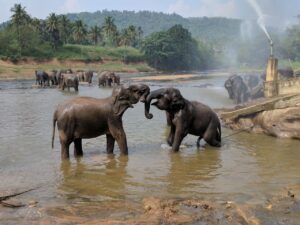
Pinnawala Elephant Orphanage bathing-1

Pinnawala Elephant Orphanage

Pinnawala Elephant Orphanage A Heartwarming Sanctuary for Sri Lankas Majest Experience the Majestic Beauty and Compassion at Pinnawala Elephant Orphanage Beauty and Compassion Situated in the serene town of Pinnawala,
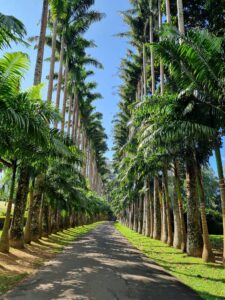
Peradeniya Gardens

Royal Botanical Gardens, Peradeniya: Sri Lanka’s Botanical Paradise Explore the lush landscapes, vibrant plant species, and rich history of one of Sri Lanka’s most beautiful gardens A Haven of Natural
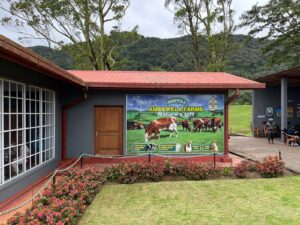
Ambewela Farm

Ambewela Farm: A Hidden Gem in Sri Lanka’s Hill Country Discover the beauty of Sri Lanka’s largest dairy farm, where nature, animals, and fresh produce come together in a serene

Your Question